

By Salam Saheed
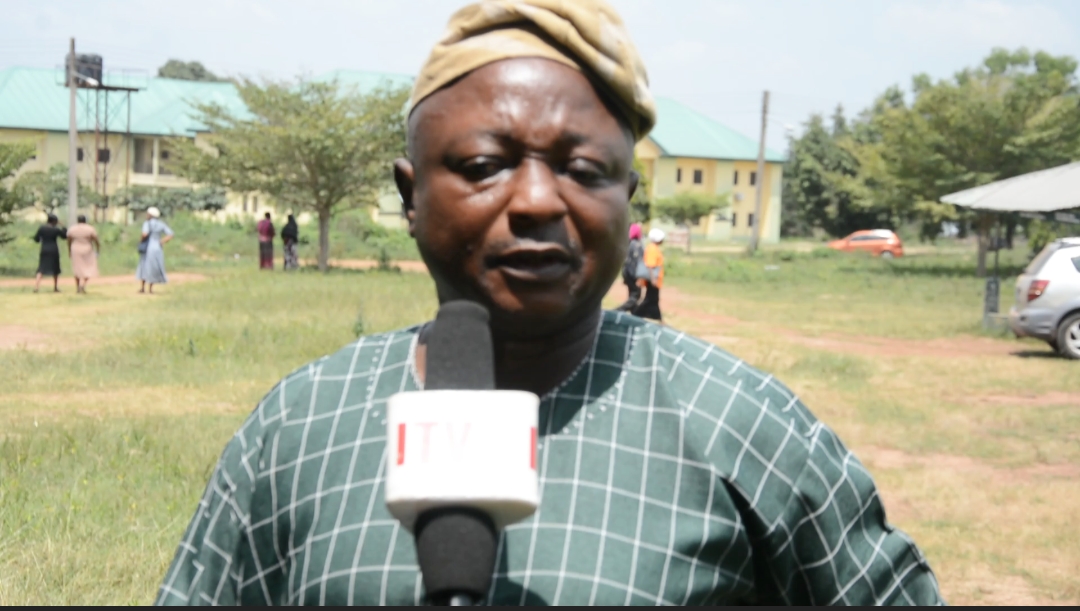
A resource person at the Michael Adeniyi Koleoso Polytechnic, Saki conference and seminar, Mr Kayode Olatunde Olabode, has advocated strict adherence to administrative procedures in Nigerian tertiary institutions, saying effective records management, observance of due process and clearly defined responsibilities remain critical to institutional efficiency and academic integrity.
Olabode stated this while presenting a paper titled “Administrative Procedures in Higher Institutions in Nigeria” during the conference held at the institution’s new 500-seater capacity hall on Tuesday.
He described higher institutions—comprising universities, polytechnics and colleges of education—as strategic centres for producing skilled manpower, nurturing future leaders and promoting research and technological advancement through specialised academic programmes, including doctoral studies.
According to him, administrative procedures are the official rules, processes and institutional channels through which students and staff conduct official business, stressing that efficient administration depends on structured systems rather than arbitrary decisions.
He identified admission, registration, examinations and records, students’ complaints and grievances, graduation and clearance as major administrative processes that require efficiency, adding that proper understanding of the responsibilities of different offices would promote accountability and transparency.
The polytechnic Don said institutions must uphold bureaucratic structures, maintain proper documentation, respect administrative hierarchy and communicate through official channels to avoid bottlenecks in decision-making.
He explained that Nigeria’s tertiary education system operates through two complementary structures—external regulatory oversight and internal institutional governance—which collectively safeguard academic quality and institutional integrity.
He identified the National Universities Commission (NUC), the National Board for Technical Education (NBTE) and the National Commission for Colleges of Education (NCCE) as the principal regulatory agencies responsible for enforcing national standards, curriculum requirements and institutional compliance across universities, polytechnics and colleges of education.
Speaking on internal governance, Olabode said the Governing Council serves as the highest policy oversight body with responsibilities for budget approval, staffing policies, discipline and institutional development, while the Senate or Academic Board oversees academic matters, including curriculum review, examination results and graduation decisions.
He explained that the Rector, Vice-Chancellor or Provost provides executive leadership within the framework of the institution’s enabling law and emphasised that effective coordination among principal officers is essential for seamless administration.
The presenter described the Registrar as the custodian of institutional records and a central figure in interpreting regulations, implementing policies and coordinating committee activities.
According to him, the Registry functions as the institution’s administrative backbone through specialised directorates handling personnel administration, council affairs, students’ welfare and academic affairs.
He said the Directorate of Personnel manages staff records, promotions, welfare, discipline and professional development, while the Directorate of Council Affairs and General Administration provides secretarial support to the Governing Council and its committees.
Olabode explained that the Directorate of Students Affairs serves as the bridge between management and students by addressing complaints, welfare matters and grievances, noting that non-residential institutions also utilise Town and Gown committees to strengthen relations with host communities.
He added that the Directorate of Academic Affairs manages admissions, clearance, academic records, certificates and verification of students’ credentials from admission to graduation.
The presenter also highlighted the complementary roles of the Bursary in financial management and the Library in supporting teaching, learning and research.
On students’ academic progression, he explained that the administrative process begins with admission and verification of credentials before proceeding to registration, examinations and result processing through departmental, faculty and Senate approval stages.
He further advocated greater deployment of information and communication technology to strengthen registration, records management and verification processes.
Addressing personnel administration, Olabode said appointment and promotion committees, alongside disciplinary panels, are indispensable mechanisms for ensuring fairness, transparency and compliance with due process in staff management.
He maintained that disciplinary matters should pass through recognised investigative procedures rather than arbitrary decisions in order to protect institutional standards.
Olabode concluded that administrative procedures remain indispensable to the effective management of Nigerian tertiary institutions, urging institutions to strengthen their internal systems, maintain accurate documentation and ensure that all officers discharge their statutory responsibilities in line with established regulations.
He said sustained adherence to due process would enhance administrative efficiency, protect academic standards and reinforce institutional integrity across the country’s higher education system.