
Blueprint for National Transformation | Series Six
The Paradox of Power: When the World Waits on Nigeria’s Electricity
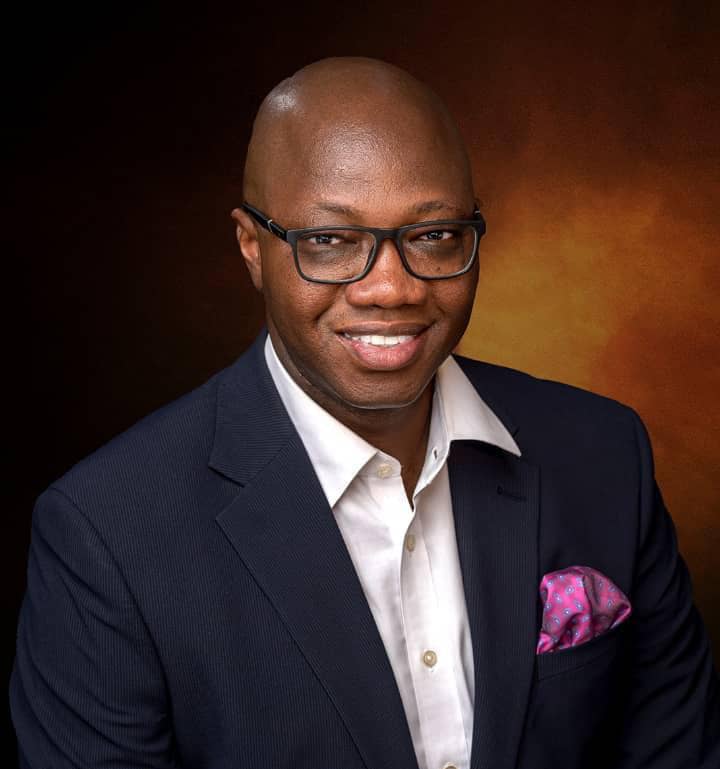
By Amofin Beulah Adeoye
There is a profound, almost cinematic irony at the core of Nigeria’s modern identity, a contradiction so sharp it feels scripted by a satirist. To an observer in London, New York, or Tokyo, Nigeria appears to be the most electrifying cultural force on the planet. Afrobeats artists no longer fill clubs; they sell out twenty-thousand-seat arenas at the O2 in London and Barclays Center in Brooklyn, commanding stages once dominated by Western pop royalty. Nigerian fashion designers set textures and silhouettes on global runways, redefining luxury for a changing demographic. Contemporary artists command six-figure sums at Art Basel and Frieze as collectors compete to acquire the Nigerian perspective. The global creative economy thrums with anticipation, waiting breathlessly for the next surge of cultural voltage from Lagos and Abuja.
Yet, when the lens turns inward, the domestic screen goes dark. The national grid collapses with numbing regularity, plunging entire cities, industrial zones, and creative hubs into blackout. The very studios producing the music the world dances to rely on the deafening hum of diesel generators. Ateliers crafting fabrics for Paris runways operate on private fuel purchased at punishing cost. Nigeria has become a nation exporting metaphorical electricity while struggling to generate the physical kind. It is a creative hyperpower operating on infrastructural failure.
This paradox is not merely cultural; it raises essential questions about economic sovereignty and the future of non-oil revenue. Nigeria has lived for decades under the shadow of Dutch Disease, where dependence on crude oil extraction weakened all other productive sectors. As global energy markets shift and hydrocarbon revenues lose their stability, the creative economy has quietly emerged as one of the most viable engines of growth. Estimates place Nigeria’s creative exports at over fifteen billion dollars annually, likely an underestimate given the scale of informal trade in music, film, and fashion. The sector contributes disproportionately to GDP, far above the continental average where creative industries rarely cross one percent. Nigeria is the outlier: a creative superpower built on a diesel generator.
The stakes are immediate and substantial. Consider the annual phenomenon of “Detty December,” the seasonal pilgrimage of the global Black diaspora to Lagos and Abuja. Over four weeks, foreign exchange flows into hotels, restaurants, and entertainment venues on a scale comparable to traditional foreign direct investment. Yet this prosperity coexists with disorder. Visitors navigate traffic gridlock, heightened security risks, and the smoke of generators powering cultural spaces. The economy thrives despite infrastructure, not because of it. The state captures little value because it has failed to build the platform on which this commerce rests.
Those who carry Nigeria’s cultural reputation experience this contradiction most acutely. Dolly Kola-Balogun, founder of Retro Africa, stands at the forefront of Nigerian star power. Abroad, she presents a disciplined and sophisticated portrait of Nigeria, countering global narratives of incompetence. She performs the role of a diplomat, yet in Abuja she operates in a hostile environment. Maintaining climate-controlled galleries demands constant generator use. Shipping art abroad requires navigating a customs regime that classifies cultural assets as luxury goods. Receiving foreign payments becomes a regulatory marathon. She is building global bridges while standing on a fragile domestic platform.
The film sector mirrors this reality. Kunle Afolayan, award-winning producer and director, recognized early that the state would not deliver the infrastructure needed for a globally competitive industry. In Oyo State, he built the KAF Village, a cinematic ecosystem in the hinterlands, creating roads, power generation, housing, and hospitality for cast and crew. It is an extraordinary achievement—and a clear indictment of public failure. Afolayan assumed the responsibilities of multiple ministries to sustain production. Like Kola-Balogun, he created a functioning institution in the dark, powered not by public support but by private will and exceptional resilience.
These pioneers have become “States within a State.” They absorb the costs of power, security, water, and international representation while the government imposes barriers. This reality creates a structural inequity: only the wealthy or extraordinarily determined can thrive. The overhead of being one’s own municipality limits reinvestment, suppresses grassroots talent, and reinforces survivor bias. Without institutional scaffolding, Nigeria risks a creative economy that dazzles globally yet remains too fragile to sustain itself.
Other nations understand the value of Nigerian creativity more clearly than the Nigerian state does. The United Kingdom, United States, France, and Canada have developed systems to capture it. Their Global Talent Visas target not only doctors and engineers but sound engineers, stylists, writers, filmmakers, and curators. Every Nigerian creative who settles abroad becomes a generator of soft power and a tax asset for the host nation. Meanwhile, those building careers in Lagos work under conditions that are structurally hazardous: inflation, inconsistent power, and bureaucratic inertia. This quiet migration of creative capital is a new form of brain drain—subtler than the exodus of scientists but just as economically damaging.
My own experience reinforces this reality. Running the Beulah Adeoye Foundation from Oyo State requires navigating the same constraints faced by Kunle and Dolly. The hum of a generator is the constant soundtrack of our work. These infrastructural deficits are not abstract; they shape every operational decision. Yet we refuse to retreat. Many of us belong to a generation committed to rebuilding, one that interprets dysfunction not as destiny but as a mandate. Still, resilience has limits. Generators fail, talent tires, and if the state does not reposition itself, global attention will inevitably shift elsewhere.
The path forward is clear and requires no invention of new institutions. Nigeria must simply repurpose existing structures with discipline.
First, the state should formally recognize the creative economy as an export engine equal in urgency to oil and gas. Institutions such as KAF Village, Retro Africa, recording studios, and production hubs should receive “Creative Economy Export Zone” status, granting tax rebates and relief on tools of trade. High-quality cameras, lighting rigs, sound systems, and digital equipment are manufacturing inputs for a global industry and should not be treated as luxury goods. Nigeria already extends incentives to cement manufacturers and petrochemical companies; it must extend the same recognition to those generating cultural capital.
Second, Nigeria must operationalize its creative diplomacy. Cultural attachés with commercial performance indicators should be assigned to missions in London, New York, Paris, and Los Angeles. Nigerian artists attending film festivals, international exhibitions, or global tours are national assets. Their visa processing and legal protections should be treated as matters of state interest. Embassies must evolve from viewing creatives as individuals seeking consular assistance to recognizing them as representatives generating economic and diplomatic value.
Finally, the state must enforce a coherent Intellectual Property regime. Electricity shortages are an engineering challenge; IP protection is a political choice. A joint task force involving the Nigerian Copyright Commission, the Nigerian Communications Commission, and the judiciary should prosecute piracy decisively. Nigerian ideas, stories, and music are national capital. Without protection, monetization collapses and ownership transfers abroad.
The title of this week’s series of Blueprint for National Transformation is not symbolic. The world genuinely waits on Nigeria’s electricity—the entertainment, the sound, the colour, the narrative power, the creative force. But no engine, however brilliant, can run forever in the dark. Nigeria’s creatives have shown they can fly on broken wings. The question before the state is whether it will finally turn on the lights and allow the nation’s most dynamic sector to rise to its full height.