
A report has revealed that Nigeria’s poverty rate rose to about 63% following the removal of petrol subsidy, highlighting the impact of the policy on household welfare across the country.
The study was carried out by Mohammed Shuaibu, a Senior Lecturer in the Department of Economics at the University of Abuja, and was presented during a policy dialogue organised by Agora Policy in Abuja.
According to the report, poverty among low-income households increased significantly from a baseline of about 49.8% before the subsidy removal to roughly 63% afterward, as higher fuel prices triggered increases in transportation, food and other essential goods.
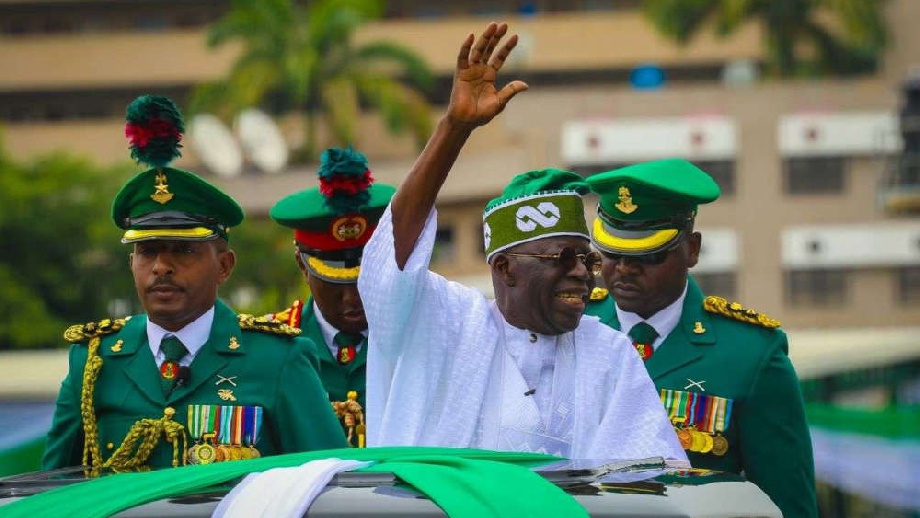
President Bola Tinubu had announced the removal of petrol subsidy during his inauguration on May 29, 2023, describing the decision as necessary to address long-standing fiscal challenges.
However, the reform led to higher living costs across the country, putting additional pressure on households.
The report noted that the economic shock affected low-income households the most, as their purchasing power declined due to rising prices and reduced consumption.
It added that the national poverty gap also widened significantly after the subsidy removal.
Findings showed that the poverty gap increased from about 31.6% to more than 45%, indicating deeper levels of deprivation among poor households.
The study also assessed government interventions and noted that social protection measures, including cash transfers, helped reduce the poverty rate slightly to around 56.2%.
However, analysts said the relief remained limited due to delays in implementation and the relatively small scale of assistance.