
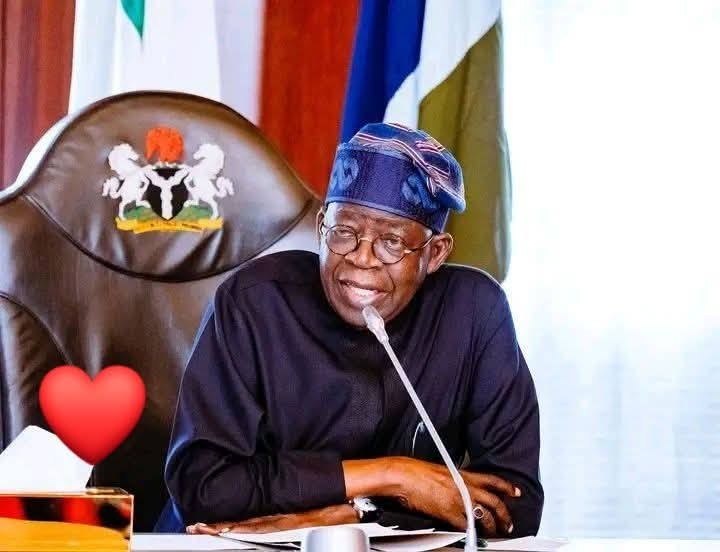
President Bola Tinubu has vowed to establish state police as part of sweeping efforts to curb insecurity across Nigeria, declaring that his administration will not postpone promises made to citizens ahead of the 2023 elections.
The President made the pledge on Monday night while hosting state governors to an interfaith breaking of the fast at the Presidential Villa in Abuja. The gathering brought together Muslim and Christian leaders during the holy seasons of Ramadan and Lent.
Addressing the governors, Tinubu said security remains the bedrock of economic growth and social stability.
“Security is the foundation of prosperity. Without it, farms cannot flourish, businesses cannot grow, and families cannot sleep in peace,” he said.
He stressed that the proposed state police framework was driven by practical necessity rather than political calculation.
“We will establish state police to curb insecurity. This is not about politics; it is about practicality. It is about empowering states with the tools to protect their people while strengthening our national framework,” the President stated.
Tinubu urged governors to intensify grassroots engagement, particularly in communities where development remains fragile.
He called for leadership anchored on compassion, equity and inclusion, insisting that development must not be defined by religion, tribe or status.
“To reach the young man who feels forgotten. To lift the woman who carries her family on tired shoulders. To touch communities at the grassroots where hope sometimes flickers,” he said, challenging state chief executives to do more.
The President further assured Nigerians that his reform agenda remains on course.
“What I promised Nigerians will not be postponed,” he said. “We must be bold enough to reform what is not working. We must be united enough to protect what we hold dear.”
The debate over state police has remained contentious for years, with supporters arguing it would improve rapid response to local security threats, while critics warn of potential abuse by subnational authorities.
Tinubu’s renewed commitment signals that constitutional and structural reforms in the security architecture may soon return to the front burner of national discourse.