

By Salam Saheed
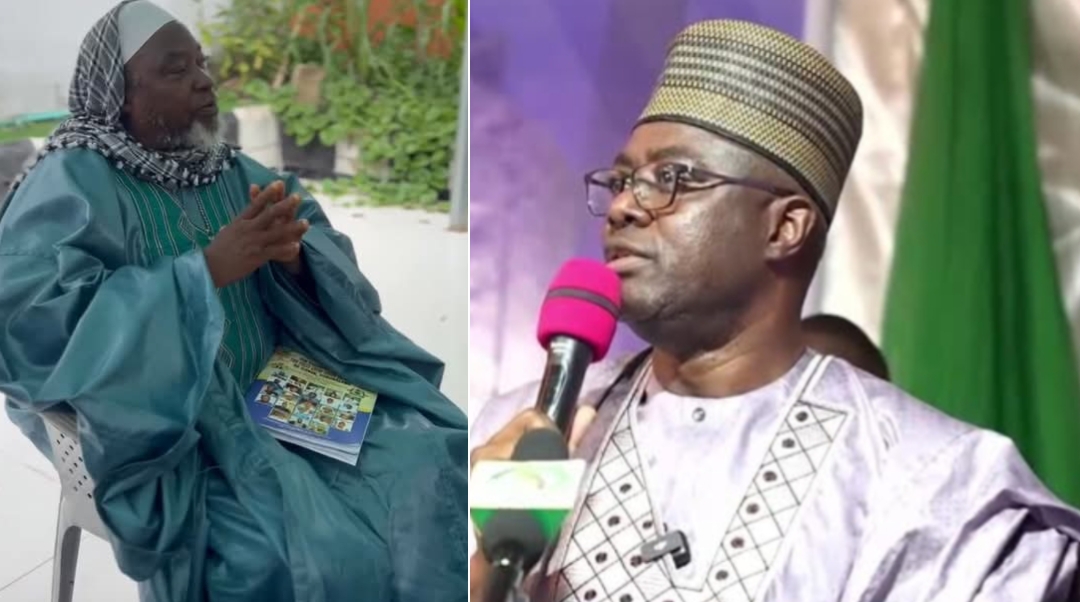
The Chief Imam of Tede, Barrister Imran Atilola, has called on the Oyo State Government to consider placing imams and other religious leaders on its payroll as part of measures to recognise their contributions to the society.
Atilola made the call on Monday at Ago-Are Township Hall, Ago-Are, during the stakeholders’ engagement and consultative meeting on the 2027 budget exercise organised by the Oyo State Ministry of Budget and Economic Planning.
The Chief Imam said religious leaders played an important role in maintaining peace and guiding members of their communities, describing them as “prayer warriors” for the people, traditional rulers and those in government.
He urged the government to recognise their role by providing regular financial support, particularly as many religious leaders were involved in community mobilisation, counselling and peace-building efforts.
Speaking at the meeting, the Oyo State Deputy Governor, Barrister Bayo Lawal, assured stakeholders in Oke-Ogun Zone II that the demands and development priorities raised during the consultation would be given due consideration by the state government.
Lawal said the administration of Governor Seyi Makinde remained committed to ensuring that the concerns and developmental aspirations of residents across the state were reflected in its budgetary planning.
The Deputy Governor also described the zone as fortunate to have the Commissioner for Budget and Economic Planning, Mr Ayobami Ojo, as an indigene, saying his knowledge of the peculiar needs of the area would assist the government in identifying essential projects and programmes requiring attention.
According to him, Ojo would do everything possible to ensure that the essential needs identified by stakeholders in the zone were adequately captured in the 2027 budget.
The stakeholders had highlighted several areas requiring government intervention, including security, roads, electricity, water supply, healthcare, education, agriculture, youth empowerment and rural development.
They also sought greater attention to agricultural infrastructure, including irrigation facilities, storage facilities, farm-to-market roads and access to affordable financing, given the zone’s strategic role in food production.
Other concerns centred on the completion of ongoing projects, upgrading of primary healthcare centres, improvement of education infrastructure and the creation of employment and skills-development opportunities for youths.
The stakeholders further called for effective mechanisms that would enable communities to monitor the implementation of projects captured in the 2027 budget.
Responding, the Commissioner for Budget and Economic Planning, Mr Ayobami Ojo, appreciated the stakeholders for their participation and contributions to the budget consultation.
Ojo assured the people of Oke-Ogun Zone II that the area, like other parts of the state, would not be left out of the government’s development plans.
He said the inputs provided by stakeholders would form part of the considerations in the budget preparation process, stressing the importance of citizens’ participation in determining development priorities.
The consultation was part of the state government’s wider stakeholders’ engagement on the 2027 budget, designed to obtain inputs from residents and communities across the various zones of Oyo State.
The event was attended by traditional rulers, religious leaders, government functionaries, supervisory councillors, special advisers, community leaders and other stakeholders.
Among the traditional rulers present were the Okere of Sakiland, Oba Khalid Oyeniyi Olabisi Oyedepo III, who was represented; the Aare of Ago-Are, Oba Abodunrin Kofoworola Oyetunji Ilufemiloye; and the Aare of Ofiki, Oba Gbenga Adigun Adeoye, among others.