

According to a statement attributed to former military Head of State, General Ibrahim Badamasi Babangida (IBB), in 2005, “History will forgive you for making wrong decisions, but will never forgive you for not participating at all.”
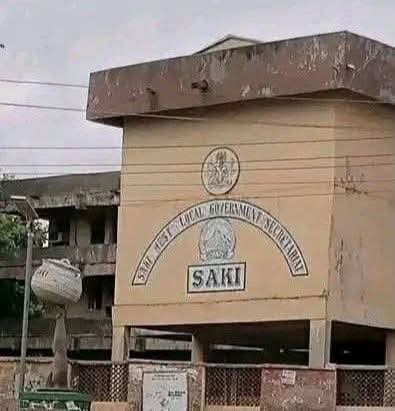
I recently came across a post on the Facebook page of Hon. AbdulRasaq Qudus Jatto, and its contents provoked a profound reflection on the state of governance in Saki West Local Government Area of Oyo State over the past seven years.
Sometimes, an honest appraisal of the past is necessary to understand our present circumstances, identify where things have gone wrong and determine the direction in which we intend to move as a people.
During the administration of the late Governor Abiola Ajimobi, Saki West witnessed various infrastructural interventions and community-oriented initiatives in healthcare, education, road construction and other critical sectors. His administration undertook projects and implemented policies that, in the view of many residents, provided benchmarks for grassroots development that subsequent governments ought to have sustained, strengthened and improved upon.
From road infrastructure and primary healthcare facilities to the rehabilitation of primary schools, culvert construction, the provision of dump trucks and other public interventions, these initiatives formed part of the developmental record against which subsequent administrations can be assessed.
These are among the issues that have prompted renewed questions about the direction of local government administration in Saki West and whether the leadership entrusted with managing the affairs of the people has adequately discharged its responsibilities.
## The Burden Of Leadership And The Question Of Public Assets
Today, it is necessary to interrogate the priorities of the local government administration and its councillors, particularly regarding the management of communal properties, public assets and resources held in trust for the people.
Concerns have been raised about the alleged disposal of communal properties, the leasing of public assets and the transfer of community-owned resources into private hands. These matters deserve transparent explanations and, where necessary, independent scrutiny.
If public properties are being sold or leased, the people of Saki West have a legitimate right to ask fundamental questions: What informed the decisions? Were established procedures followed? Were the relevant stakeholders consulted? Were the transactions conducted in the public interest? And who ultimately benefits from the arrangements?
These are not questions borne out of political hostility. They concern the protection of public resources, the preservation of communal heritage and the economic future of generations yet unborn.
Public assets are not the personal possessions of political officeholders. They are resources entrusted to those in authority for the collective benefit of the people. Their management must, therefore, be guided by transparency, accountability, due process and the overriding interests of the community.
Where allegations of impropriety arise, the appropriate response should be openness and the provision of verifiable facts, rather than silence or the dismissal of legitimate public concerns.
## Modernisation Must Not Become A Burden On The Poor
Equally troubling are concerns about traders and other residents who have reportedly been displaced from their shops and traditional places of livelihood in the name of modernisation.
Let me make this clear: development is necessary, and no responsible society should resist genuine efforts to improve its infrastructure, reorganise its commercial centres or modernise public facilities.
However, development must be people-centred. It must not become a convenient justification for imposing avoidable hardship on the very citizens it is intended to benefit.
What is the value of modernisation if it destroys established livelihoods without providing reasonable alternatives?
What is the meaning of development if traders who have invested years of hard work and scarce resources in building their businesses are displaced without adequate consultation, affordable relocation options or a clearly communicated transition plan?
And what is the responsibility of government if vulnerable citizens are left struggling to feed their families after losing their principal means of livelihood?
These questions deserve serious consideration.
A responsible administration should engage affected traders before implementing policies that threaten their economic survival. Where relocation becomes unavoidable, it should provide reasonable arrangements that protect their interests, preserve access to customers and minimise disruption to their businesses.
Modernisation should expand economic opportunities, not diminish them. Urban renewal should improve the conditions under which people live and work, not deepen their vulnerability.
The ultimate measure of development is not merely the appearance of new structures or the reorganisation of public spaces. It is the extent to which such changes improve the quality of life of ordinary citizens.
## The Danger Of Losing Our Communal Heritage
Another issue that deserves sustained public attention is the management and possible disposal of communal assets.
Once certain public properties are sold or permanently transferred into private ownership, recovering them for collective use may become difficult, costly or impossible. Their loss could deprive future generations of resources that should have remained available for public services, community development and economic advancement.
This is why decisions concerning public assets must never be treated as the exclusive preserve of a few officeholders.
The people deserve to know what is being done with their common inheritance. They deserve access to relevant information, clear explanations of the public benefits involved and assurances that established legal and administrative procedures are being followed.
Transparency is not a favour granted by those in authority. It is a fundamental requirement of responsible public administration.
## Seven Years Of Governance: Time For An Honest Appraisal
For the past seven years, the performance of successive local government leadership in Saki West deserves a comprehensive and objective assessment. Such an appraisal should examine infrastructure, healthcare, education, sanitation, local economic development, the management of public assets and the welfare of residents.
In my assessment, serious questions remain about whether the administration and its councillors have adequately met the expectations of the people who entrusted them with public responsibilities.
A balanced assessment must consider documented achievements alongside shortcomings, rather than relying solely on political affiliations or isolated claims. Nevertheless, concerns about public accountability and the welfare of ordinary citizens cannot be ignored.
A local government is not merely an administrative structure or a collection of political offices. It is the tier of government closest to the people and should serve as the primary vehicle for grassroots development, community empowerment and the protection of local interests.
Our councillors are not elected simply to occupy seats or enjoy the privileges associated with public office. They are representatives entrusted with the responsibility of scrutinising decisions, protecting communal interests and ensuring that the needs of their constituents remain central to governance.
When citizens struggle to identify tangible improvements in their daily lives, when questions persist about the handling of public assets and when vulnerable traders bear the consequences of government policies, the need for accountability becomes even more compelling.
Leadership should be judged by its impact on the people, the prudent management of public resources and the legacy it leaves behind—not merely by political titles, personal influence or the privileges enjoyed by those in office.
## What Future Do We Want For Saki West?
As Saki West looks towards the next chapter of grassroots governance, we must confront several fundamental questions.
Where are we coming from, and what developmental standards did we once aspire to achieve?
Where do we stand today, and how do our present circumstances compare with those aspirations?
What has become of the infrastructure, public services and community-development priorities that should form the foundation of local governance?
Who benefits from the decisions taken in our local government, and to what extent do those decisions reflect the collective interests of the people?
Above all, what kind of leadership do we want to bequeath to the next generation?
These questions require honest reflection, informed public debate and responsible civic participation.
We cannot afford to celebrate political affiliations while overlooking the welfare of our communities. Party loyalty should never become an excuse for silence when legitimate questions arise about public spending, communal assets or the treatment of vulnerable citizens.
Political parties exist to provide platforms for governance, but the ultimate purpose of government is to serve the people. Where the two appear to conflict, the interests of the people must remain paramount.
The cost of political indifference is often borne disproportionately by those who have the least capacity to withstand its consequences.
## A Call For Accountability, Not Mere Condemnation
This reflection is not an attempt to condemn every action of the present or previous administrations, nor is it intended merely to attack individuals. Rather, it is a call for accountability, responsible leadership and a renewed commitment to the principles of public service.
Those entrusted with managing Saki West’s affairs should be prepared to explain their decisions, demonstrate the public benefits of their policies and ensure that communal resources are managed in accordance with the law and the interests of residents.
Citizens, too, have a responsibility to remain informed, ask pertinent questions, participate constructively in public affairs and demand verifiable answers from their representatives.
The future of Saki West must not be determined solely by the ambitions of political officeholders. It must be shaped by the collective aspirations of its people, the protection of their common heritage and the pursuit of inclusive development.
History will judge us not only by the leaders we supported but also by the questions we asked, the injustices we challenged and the courage we demonstrated when our communities needed our voices.
Saki West deserves accountable governance. Its people deserve opportunities to earn a decent living. Its communal heritage deserves protection, and its future deserves leadership that places public interest above personal considerations.
A deep reflection is therefore necessary—not merely to lament what may have gone wrong, but to identify practical ways of correcting our course and building a better future.
The time to reflect, demand accountability and work collectively for meaningful development is now.
Adekunle Mujeeb Adetoro writes from Apapa, Lagos State.