

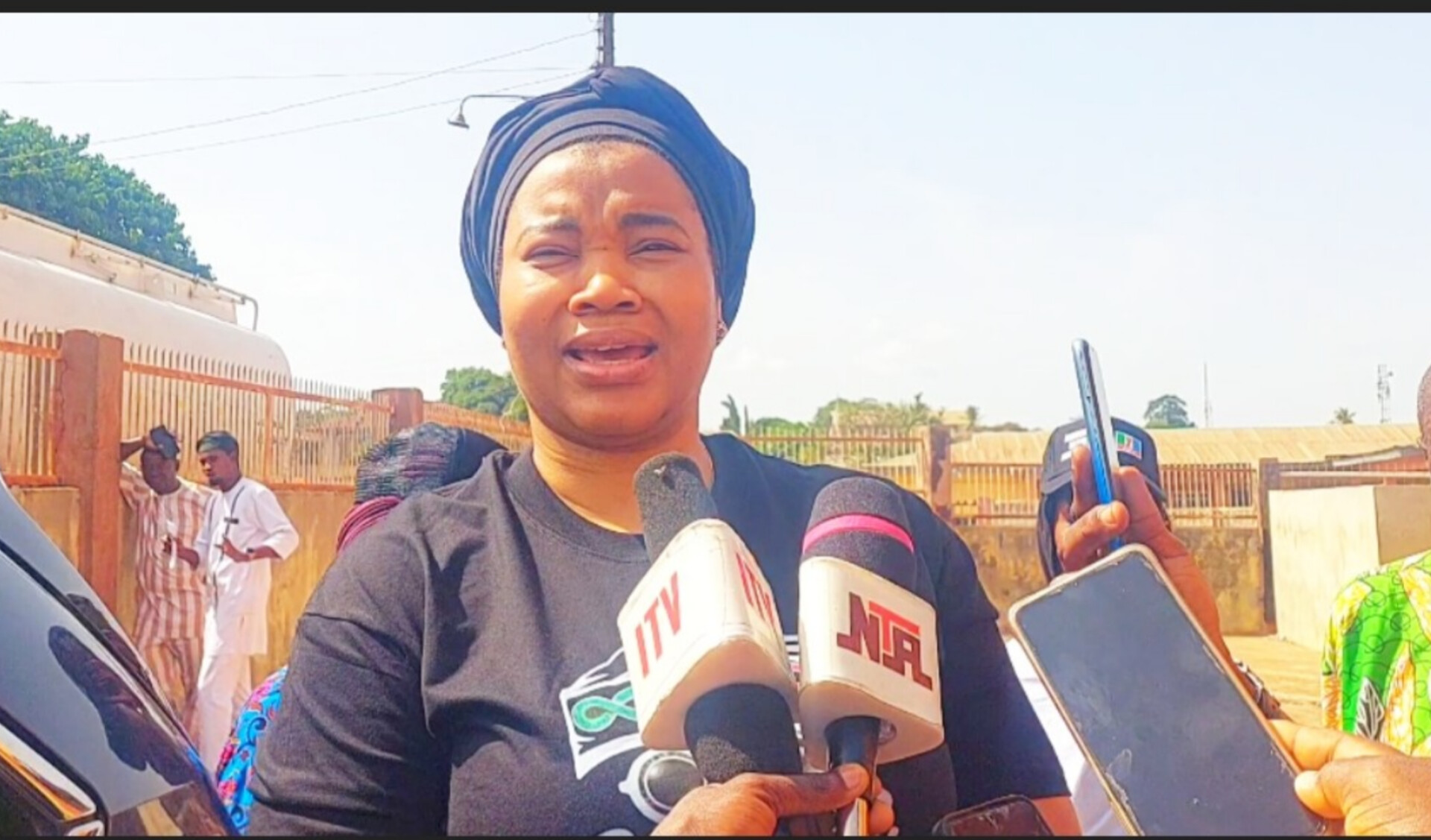
A House of Assembly aspirant for Saki West State Constituency in Oyo State, Aisat Aliu Adeleke, on Wednesday distributed 5,000 sanitary pads to women and girls in Saki, as part of efforts to promote menstrual hygiene and improve access to essential health products.
The distribution, which took place at the Saki City Hall, drew beneficiaries from all 11 wards in the constituency, alongside stakeholders including health professionals, community leaders, and political actors.
The initiative comes amid increasing advocacy by global and local stakeholders, including UNICEF, for improved menstrual hygiene practices and access to sanitary products for women and girls.
Speaking at the event, Adeleke said the intervention was designed to enhance the health and well-being of girls in the constituency, noting that access to menstrual products remains a critical challenge for many.
According to her, the programme aligns with the Federal Government’s broader efforts to support women’s health and empowerment under the Renewed Hope Initiative championed by the First Lady, Senator Oluremi Tinubu.
“The beneficiaries were carefully selected from across the 11 wards to ensure inclusiveness and impact. This effort represents a practical step toward empowering young girls and addressing their basic health needs,” she said.
She also emphasised the importance of sustained interventions to tackle menstrual health challenges, commending the selection process for ensuring that those most in need were reached.
“We are confronting real issues affecting girls in our communities. Access to sanitary products should not be a privilege but a necessity,” Adeleke added.
Stakeholders at the event underscored the growing regional and global focus on menstrual hygiene, highlighting the role of organisations such as UNICEF and local advocacy groups in raising awareness about the health risks associated with poor menstrual care.
They called for increased collaboration between government, private individuals, and development partners to ensure that menstrual hygiene products are accessible and affordable to all girls, particularly in underserved communities.